
31°C, New York


Notification products, updates
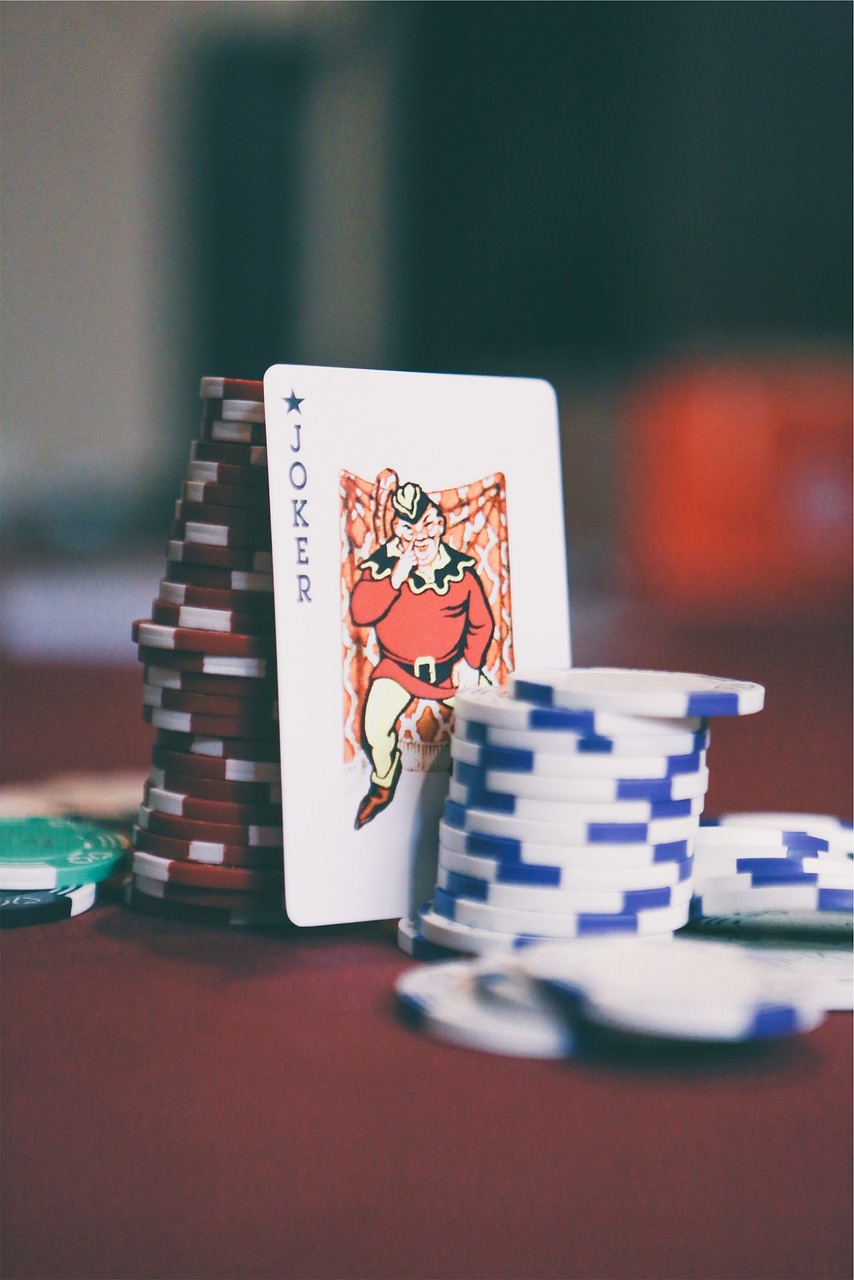
Most poker players lose. Not because they're unlucky, and not because the game is rigged against them, but because they keep making the same eight or nine mistakes over and over without ever noticing. The gap between a break-even player and a profitable one isn't some secret hand-reading technique or a premium solver subscription. It's a set of habits that quietly compound over thousands of hands. Here are the ones I've watched separate the winners from the rest, at both live tables and online.
Ask a losing player how they did last month and you'll get a number. Ask a winning player and you'll get a breakdown: win rate per session, hours played, which game types were profitable, how they performed against specific opponent types. The difference is data versus memory. Memory lies, especially after a bad beat.
If you're not logging sessions in a tool like PokerTracker or a simple spreadsheet, you're flying blind. A few concrete metrics worth tracking:
None of this is glamorous. All of it works.
Here's where a lot of players get themselves into trouble: they apply poker logic to slots, or slots logic to poker. They're different animals, and treating them the same is expensive.
Poker is a game of skill with edges you can push. Slots are pure math — RNG-driven, with a fixed house edge that never changes based on how clever you are. A 96% RTP slot returns 96 cents per dollar staked over millions of spins, and no gut feeling changes that. So why do winning players still spin?
Because they set entertainment budgets, not bankrolls. They pick high-RTP titles (generally 96% and above), avoid the flashy 92% machines that pay for the casino's new carpet, and treat the money as gone the moment it leaves their account. That psychological reframe is everything. If you're playing slots to make money long-term, you've already lost the plot.
Welcome bonuses, free spins, reload offers, cashback schemes. For a disciplined player, these are the closest thing to free money in the industry. For an undisciplined one, they're bait.
The trap is wagering requirements. A 100% match bonus with a 40x rollover on both deposit and bonus is not a generous offer — it's a part-time job. Before claiming anything, run the math:
If the expected loss exceeds the bonus, it's not a bonus. It's marketing. Winning players know the difference and skip the ones that don't clear.
Great poker players obsess over who they're playing against. Are there three loose-aggressive regs at the table, or five passive calling stations? That one detail changes correct play in every single hand. The same principle applies to sports betting: line movement tells a story, and it's usually a more honest one than the pundits on TV. Take a look at hb88go.in.net for a fuller picture.
If you're only looking at your own cards, you're playing half the game. Watch how opponents react to pressure. Note who overbets the river when the flush completes, and who checks back a set on a dry board. These patterns are gold, and they're free.
Tilt is the most expensive emotion in gambling. Nobody sits down planning to chase losses, yet it happens every night at every table in every casino on the planet.
The fix is mechanical: decide your stop-loss before the first hand. Say you're buying in for $200. Your stop-loss might be $200 — one buy-in, done. Or two, if you're playing a game you genuinely have an edge in. But write it down, and when it's gone, it's gone.
The same logic applies to wins. A stop-win target sounds counter-intuitive until you realise how many players give back a great session by refusing to leave while they're ahead. There's no shame in booking a win.
You can't be excellent at no-limit hold'em, pot-limit Omaha, slot volatility hunting, and Premier League handicapping all at once. Winners pick one, get genuinely good at it, and only then add a second discipline.
Find the game where you have the clearest edge — maybe it's 6-max cash, maybe it's mid-stakes tournaments, maybe it's accumulating free spins on high-volatility slots with a known RTP in your favour — and milky it dry before branching out. Generalists leak money in every direction.
The single biggest behavioural difference I've noticed: winners think in months and years, losers think in sessions. A losing night doesn't shake a good player because they know variance is doing its thing. A 20-buy-in downswing happens to winning players regularly, and they keep showing up anyway because the edge is real and the sample size is long.
If you find yourself checking results after every session, panicking after every bad beat, or switching strategies weekly because a new YouTube guru told you to, you're not in the long game yet. You're just gambling with extra steps.
Nobody needs to be a poker prodigy to be a profitable player. You need discipline, a slightly obsessive relationship with your own numbers, and the moral courage to walk away from tables and bonuses that don't respect your margin. Slots and betting can be fun, but if you're treating them as income streams, the math needs to be on your side before you put a single chip down.
Stop searching for the secret hand. Start tracking your actual results. The habit-building is boring, but it pays.

Riverbay shares practical, down-to-earth guidance on uk coastal and riverside living for readers across the UK.
Stay Tuned With Updates


Leave A Comment