
31°C, New York


Notification products, updates
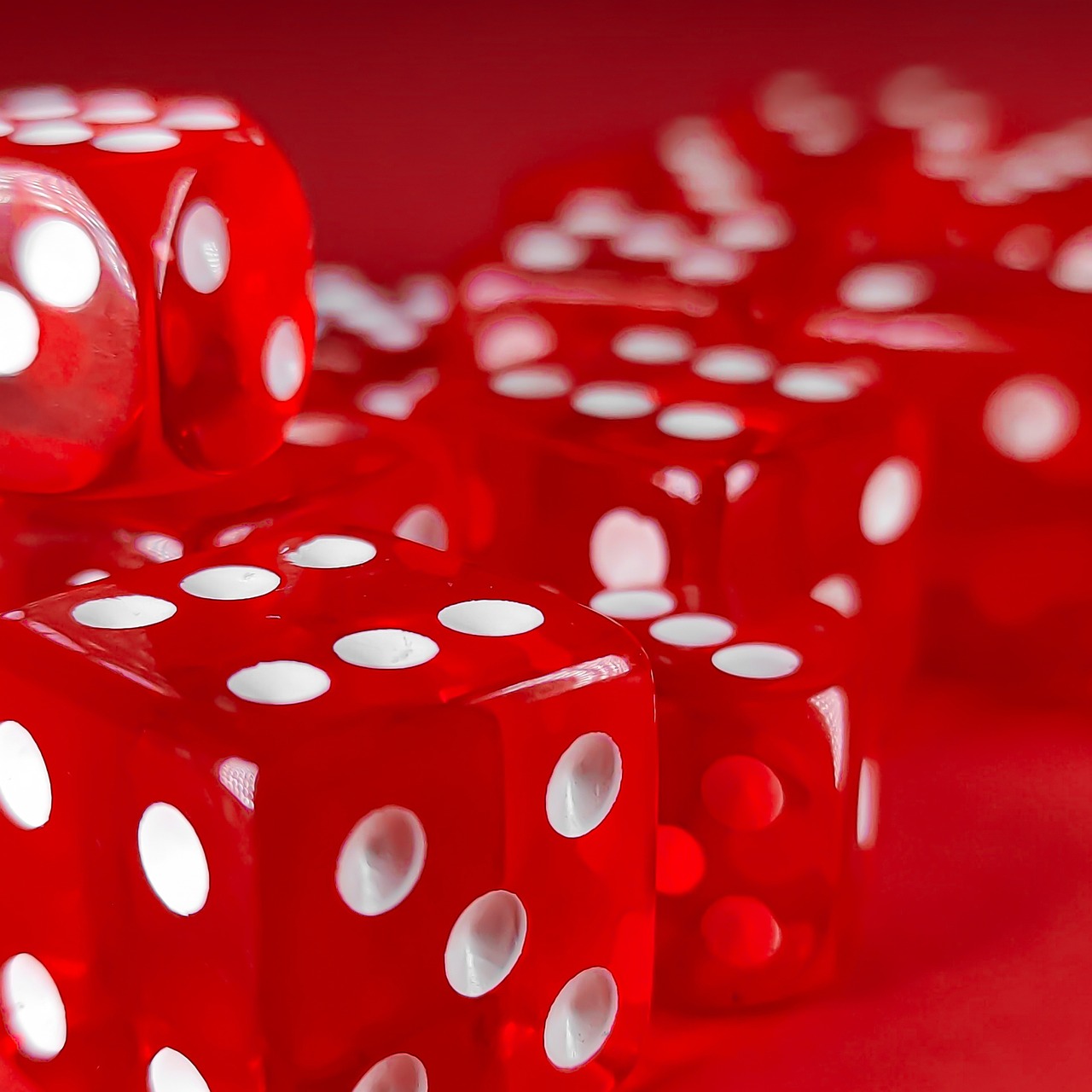
Ask ten gamblers why they lose and you will get ten different answers. Bad luck. Rigged software. A dealer who "had it in for them." Almost none of them will say the truth: they lost because they walked into a game they did not understand, with money they could not afford, chasing odds they never bothered to calculate. That is not a moral judgment—it is just math. And the math does not care how you feel about it.
I have spent years watching people play everything from three-reel slots to high-stakes Texas Hold'em, and the pattern is remarkably consistent. The players who last are not the luckiest. They are the ones who treat gambling like a hobby with a price tag, not a retirement plan. Here is what that actually looks like in practice.
Every bet you place has a mathematical cost baked into it. That cost is the house edge, and it determines what you will lose over time. It is not fixed across all games, either. The difference between one game and another can be enormous.
Read that list again. A player grinding out European roulette is paying roughly half the tax of someone at an American wheel—just because of one extra pocket. A slots player could be paying ten times more than a blackjack player making the same size bet. Most people never check. They pick a game because it looks fun, and fun is fine, but at least know what your fun costs.
One small piece of good news: many modern online slots publish their RTP (return to player) percentage, and regulators in markets like the UK, Malta, and several US states require it. A 96% RTP slot loses 4 cents per dollar over the long run. A 92% RTP slot loses 8 cents. That 4-cent gap sounds trivial until you have wagered ten thousand dollars through it.
This is the part nobody wants to hear, so I will keep it short and specific. Before you sit down—physically or on your phone—decide three numbers:
The players who break rule number three are the same ones who turn a $300 win into a $300 loss in twenty minutes. They feel invincible, the bets get bigger, and the math politely waits for them. Further details are available through nhacaitangtien.com.co.
Two slots can have identical RTP and feel completely different. That is volatility—how the payouts are distributed. Low-volatility slots pay small amounts frequently, which feels pleasant and steady. High-volatility slots pay rarely but can hit enormous multipliers.
If you have $50 and want it to last an hour, high-volatility is the wrong choice. You will watch it evaporate with nothing to show for it. High volatility rewards bigger bankrolls and longer patience. Volatility is not a marketing label—it is a real description of the payout distribution, and picking against your bankroll is one of the most common mistakes in the entire casino.
Also: bonus features are not charity. They are funded by the base game's payouts. A slot with a huge jackpot and no small wins is funded by all the spins that give you nothing.
Poker is different from every other game on this list, because your edge comes from other players, not from beating the house. The house just takes a rake—usually 5% of the pot, capped at some dollar amount. That means table selection matters more than any fancy play you have seen on a stream. If you are the worst player at the table, you are the rake. If you are the best, you are profiting off the rake's leftovers.
Two things separate winning recreational players from break-even ones:
The most expensive hand in poker is ace-rag. It looks pretty, it flops an ace, and then you are dominated by ace-king and lose a stack. Every regular knows this. Beginners learn it the hard way, usually twice.
Online casinos compete aggressively, so welcome bonuses are everywhere—often matching your first deposit at 100%. What they do not advertise as loudly is the wagering requirement. A "100% up to $500" bonus with a 40x wagering requirement means you must bet $20,000 before withdrawing a cent. On a low-RTP slot, the expected loss on that wagering is often bigger than the bonus itself.
Bonuses are not bad, but they are contracts. Check three things: wagering multiple, game weighting (slots usually count 100%, but table games often count less), and maximum bet limits while the bonus is active. Breaking the max-bet rule can void everything. The terms are readable in five minutes, and that five minutes can save you real money.
Nobody knows which spin will pay, and anyone who claims otherwise is selling something. What you can control is everything around the bet: which game, at what stake, with what budget, for how long. The gamblers who enjoy this long-term are not the ones chasing lightning. They are the ones who accept the lightning is random and build a shelter anyway.
Play games you understand. Set limits before the lights start pulling at you. Treat bonuses as contracts. And remember that the casino does not need to cheat you—it has a math advantage that works slowly and quietly. Your job is simply not to hand it more than you agreed to give.

Riverbay shares practical, down-to-earth guidance on uk coastal and riverside living for readers across the UK.
Stay Tuned With Updates


Leave A Comment